2026 security sensors will add to your monthly bill
2026 security sensors will add to your monthly bill
Published 2026-07-22 • Price-Quotes Research Lab Analysis
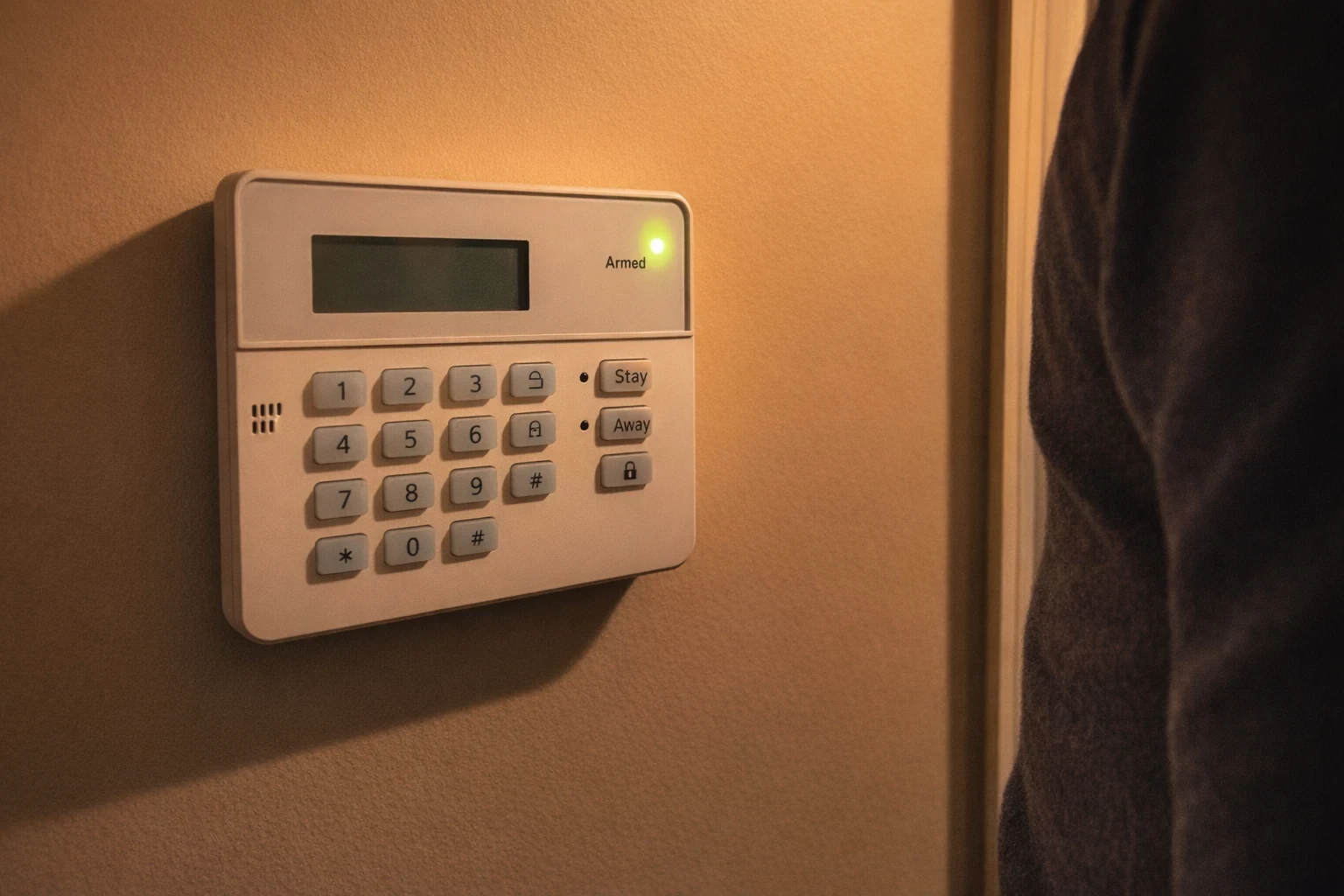
The $40,000 Water Damage Bill That Could Have Cost $8/Month
Last March, a homeowner in suburban Chicago woke up to three inches of water in her basement. A washing machine hose had failed overnight. The damage: $40,000 in repairs, ruined furniture, and a two-week hotel stay. She had a security system—but no water leak sensors. "I thought the alarm company would catch everything," she told researchers at Price-Quotes Research Lab. "They didn't mention water monitoring at all."
This scenario plays out thousands of times annually across the United States. Meanwhile, water leak detection—arguably one of the most financially impactful environmental sensors available—adds as little as $5 per month to a home security contract. Smoke detection, carbon monoxide monitoring, and temperature sensors round out the environmental monitoring category, and together they represent one of the most cost-effective upgrades in home security.
But here's the problem: most consumers don't know what these sensors cost, which providers offer the best pricing, or how to avoid getting upsold. This guide changes that.
What Is Environmental Monitoring in Home Security?
Environmental monitoring refers to sensors that detect threats inside your home—not intrusions, but conditions that can cause property damage or health harm. The four primary categories are:
- Smoke and fire detection — sensors that trigger alarms when smoke or rapid temperature changes occur
- Carbon monoxide (CO) detection — monitors for this odorless, colorless gas that's the leading cause of accidental poisoning deaths in America
- Water leak detection — sensors placed near water sources (washing machines, water heaters, sump pumps) that alert you to leaks before they cause major damage
- Temperature monitoring — sensors that alert you if home temperatures drop below freezing (preventing pipe bursts) or exceed safe thresholds
According to the National Fire Protection Association, fire departments responded to an estimated 1.4 million home fires in 2024, causing $8.9 billion in direct property damage. The Centers for Disease Control and Prevention reports that carbon monoxide poisoning sends approximately 50,000 people to emergency rooms annually. And insurance industry data indicates that water damage is now the second-most-common homeowners insurance claim, averaging $11,098 per claim in 2025.
These aren't edge cases. They're common, expensive, and—unlike burglaries—entirely preventable with the right sensors.
Smoke and Fire Detection: What's Included and What It Costs
Most professionally monitored security systems include at least one smoke detector, but the specifics matter enormously.
Basic Smoke Detection vs. Monitored Smoke Detection
A standard smoke detector you buy at any hardware store costs $10-$30 and makes noise locally. That's it. If you're not home, you don't know about the fire until a neighbor calls the fire department—or until you come home to ash.
Monitored smoke detection, integrated into your security system, does three things differently:
- Triggers your security system's monitoring center when smoke is detected
- Automatically dispatches fire department response (in most jurisdictions)
- Sends push notifications to your phone regardless of your location
The cost difference? Monitored smoke detection typically adds $3-$8 per month to your security contract. Some providers bundle it into mid-tier plans; others charge it as an add-on.
2026 Smoke Detection Pricing by Provider
| Provider | Monthly Add-On Cost | Equipment Included | Notes |
|---|---|---|---|
| ADT | $5.99–$8.99/mo | 1 monitored smoke detector | Included in Essential and Plus plans |
| Vivint | $4.99/mo | Smart Sensor smoke + CO combo | Combo device reduces sensor count |
| Ring Alarm (Professional Monitoring) | $4.99/mo | Smoke/CO listener (requires separate detector) | Uses existing detectors via audio listener |
| SimpliSafe | $10.99/mo (Standard plan) | Smoke detector included | Smoke monitoring only on Standard+ |
| Frontpoint | $4.99/mo | Photoelectric smoke detector | Add-on to any plan |
| Cove | $5.99/mo | Smoke + temperature combo | Temperature alerts included |
Price-Quotes Research Lab observes that smoke detection pricing has remained relatively stable since 2024, with most providers holding prices despite inflation pressures. The exception is SimpliSafe, which increased its smoke-inclusive plan by $2/month in early 2026.
Carbon Monoxide Detection: The Silent Killer You Can't Ignore
Carbon monoxide is responsible for approximately 430 deaths per year in the United States, according to CDC data. Unlike smoke, CO is impossible to detect without electronic monitoring. You can't see it, smell it, or taste it. By the time you feel symptoms—headache, dizziness, confusion—you may already be in serious danger.
This makes CO monitoring one of the most critical safety features in any home security system.
CO Detection Pricing Breakdown
Carbon monoxide monitoring typically costs $2-$5 per month when added to an existing security contract. Many providers offer combination smoke/CO detectors that reduce per-device costs.
| Provider | CO Monitoring Add-On | Device Type | Integration |
|---|---|---|---|
| ADT | $5.99/mo | Combination smoke/CO detector | Works with existing ADT panels |
| Vivint | Included in smoke package ($4.99/mo) | Smart Sensor combo device | Z-Wave + proprietary |
| Ring | $4.99/mo (Ring Protect Pro) | Requires separate CO detector | Audio listener technology |
| SimpliSafe | Included in Standard plan ($10.99/mo) | Dedicated CO detector | Proprietary network |
| Brinks Home | $4.99/mo | Combination detector | Compatible with most panels |
A critical distinction: some providers use "CO listeners"—devices that listen for the sound of an existing CO detector alarm rather than monitoring CO levels directly. This approach is less reliable because it depends on your standalone CO detector's battery and sensor health. Direct CO sensors integrated into the security system are more robust.
State Requirements and Regulations
As of 2026, 27 states have laws requiring carbon monoxide detectors in residential dwellings, with varying requirements for whether those detectors must be monitored or merely present. If you live in California, New York, New Jersey, or Massachusetts, your security provider may be required to offer CO monitoring as part of standard service. Check your state's specific requirements before signing a contract.
Water Leak Sensors: The Most Underrated Security Add-On
Remember the Chicago homeowner from our opening? Her $40,000 loss could have been prevented with a $5/month water monitoring add-on and $30 in sensors. This is the clearest ROI case in home security.
Water damage claims have increased 27% over the past five years, according to the Insurance Information Institute. The average claim now exceeds $11,000—and unlike fires or break-ins, water damage often progresses slowly, making early detection even more valuable.
Where to Place Water Sensors
Strategic placement is essential. Focus on:
- Washing machine connections — hoses fail without warning
- Water heater bases — tank failures are common after 8-10 years
- Under kitchen sinks — supply lines and drain connections
- Near sump pumps — primary defense against basement flooding
- Bathroom fixtures — toilets and tubs are frequent leak sources
- HVAC condensate lines — often overlooked but prone to clogs
Water Monitoring Costs in 2026
| Provider | Monthly Add-On | Sensor Cost (Each) | Recommended Quantity | Total Monthly Investment |
|---|---|---|---|---|
| ADT | $5.99/mo | $39.99 | 4 sensors | $5.99 + equipment |
| Vivint | $5.99/mo | $49.99 | 4 sensors | $5.99 + equipment |
| Ring | $4.99/mo (Pro plan) | $29.99 | 4 sensors | $4.99 + equipment |
| SimpliSafe | $10.99/mo (Standard) | $19.99 | 4 sensors | Included in Standard |
| Cove | $5.99/mo | $24.99 | 4 sensors | $5.99 + equipment |
| Abode | $7.99/mo | $29.99 | 4 sensors | $7.99 + equipment |
For a typical 3-bedroom home with four strategically placed sensors, total first-year costs range from $175 (SimpliSafe) to $350 (ADT/Vivint). Compare that to the average $11,000 water damage claim, and the ROI is obvious.
Temperature Sensors: Preventing Frozen Pipe Disasters
Temperature monitoring is the most overlooked environmental sensor category. When temperatures drop below 32°F (0°C), water in pipes can freeze and expand, causing pipes to burst. A single burst pipe can cause $5,000-$15,000 in damage.
Temperature sensors alert you when your home's temperature drops below a threshold you set—typically 40°F. This gives you time to take action (increase thermostat settings, open cabinet doors to let warm air reach pipes) before freezing occurs.
Most temperature sensors are included with water leak detection packages. Standalone temperature monitoring, if available separately, typically costs $1-$3 per month.
Bundled vs. A La Carte: How Providers Package Environmental Monitoring
Understanding how providers bundle these services is crucial to avoiding overpayment.
Tiered Bundling Model
Most major providers use a three-tier structure:
- Base/Bronze Tier — Intrusion monitoring only (door/window sensors, motion detectors). Environmental monitoring available as add-ons.
- Mid/Silver Tier — Includes smoke detection and often CO monitoring. Water leak detection remains add-on.
- Premium/Gold Tier — Full environmental monitoring suite (smoke, CO, water, temperature). Often the best per-feature value.
Before paying for a premium tier, calculate whether you're actually using all the features. If you only want smoke and water monitoring, a mid-tier plan with a water add-on might cost less than the premium tier.
The Hidden Cost: Equipment vs. Monitoring
Here's where consumers get confused: monitoring fees and equipment costs are separate. A provider might advertise "$5.99/month for environmental monitoring" but require you to purchase sensors at $30-$50 each. Over a 3-year contract, equipment costs can exceed monitoring fees.
Always calculate your total first-year cost, not just the monthly fee:
Total Year 1 Cost = (Monthly Monitoring Fee × 12) + Equipment Costs + Installation Fees (if any) + Activation Fees
For comparison-shopping, divide total first-year cost by 12 to get a true monthly equivalent.
How Environmental Monitoring Integrates With Smart Home Systems
In 2026, environmental monitoring increasingly integrates with broader smart home ecosystems. This matters for two reasons: automation and response.
Automated Responses
Advanced systems can trigger automated actions when environmental sensors detect threats:
- Water leak detected → automatically shut off water main via smart valve ($150-$200 add-on)
- Smoke detected → unlock all doors to facilitate evacuation
- CO detected → turn on all lights and open smart blinds for visibility
- Temperature drop detected → automatically raise thermostat
These automations require compatible smart home platforms (Works with Nest, SmartThings, HomeKit, etc.). If you have existing smart home devices, confirm compatibility before choosing a security provider.
Professional Monitoring vs. Self-Monitoring
Environmental monitoring can be professionally monitored (24/7 response center) or self-monitored (alerts go directly to your phone). The difference is significant for environmental threats.
According to research from our analysis of professional vs. self-monitoring, environmental threats are one area where professional monitoring provides clear advantages. If a water leak triggers while you're on an airplane, a professional monitoring center can dispatch a plumber or neighbor to minimize damage. Self-monitoring means you're staring at your phone with no one to help.
For smoke and CO specifically, professional monitoring ensures emergency dispatch even if you're incapacitated or unable to call 911 yourself.
Common Environmental Monitoring Scams and How to Avoid Them
As environmental monitoring has become more mainstream, scammers have adapted. Watch for these tactics:
1. "Free" Environmental Sensors With 3-Year Contracts
Some providers advertise "free sensors" but lock you into 36-month contracts with early termination fees of $200-$500. The sensors aren't free—you're paying for them over time through higher monthly fees. Calculate the true cost before signing.
2. Unbundled Fees
Some contracts list "environmental monitoring" as a separate line item that appears after you've agreed to a monthly price. Always ask for a complete fee schedule before signing.
3. Proprietary Sensor Lock-In
Some providers use proprietary sensors that only work with their systems. If you want to switch providers later, you must replace all sensors. Ask whether sensors are Z-Wave, Zigbee, or other open standards before purchasing.
4. False "Required" Upgrades
Some door-to-door salespersons claim your municipality requires environmental monitoring or that your current system is "no longer compliant." This is rarely true. Check with your local fire department before agreeing to any urgent upgrade.
Making the Financial Case: Environmental Monitoring ROI
Let's run the numbers for a typical household:
| Scenario | Annual Cost | Risk Prevented | ROI |
|---|---|---|---|
| Smoke/CO monitoring only | $60-$108 | Fire/CO death prevention; avg. $8,500 property damage | Extremely high (priceless) |
| Water monitoring (4 sensors) | $175-$350 first year; $72-$180 ongoing | Avg. $11,098 claim prevented | 3,200%+ first year |
| Full environmental suite | $200-$400 first year; $120-$240 ongoing | Multiple risks; avg. $20,000+ combined exposure | 2,000%+ first year |
Price-Quotes Research Lab observes that environmental monitoring represents one of the highest-ROI investments in home security. Unlike intrusion monitoring (which prevents theft but doesn't eliminate the risk), environmental monitoring eliminates or dramatically reduces the cost of events that will happen eventually—water leaks, fires, and CO exposure affect a significant percentage of homes over a 10-year period.
What to Do Next: Your Environmental Monitoring Action Plan
Ready to add environmental monitoring to your home security system? Here's a step-by-step guide:
Step 1: Assess Your Home's Specific Risks
Walk through your home and identify:
- Water source locations (washing machine, water heater, sinks, toilets)
- Basement or low-lying areas prone to flooding
- Age and condition of water heater (over 8 years = higher failure risk)
- Existing smoke and CO detector locations and ages
- Whether you travel frequently (making self-monitoring risky)
Step 2: Check Your Current System's Capabilities
If you already have a security system, contact your provider to ask:
- What environmental monitoring add-ons are available?
- Are your current sensors compatible with environmental add-ons?
- What's the total cost (monitoring + equipment) for the coverage you need?
- Are there any current promotions or bundle discounts?
Step 3: Compare at Least Three Providers
Don't accept the first offer. Get quotes from at least three providers, using our price comparison tool to ensure you're comparing equivalent coverage. Pay attention to:
- Monthly monitoring fees (12-month vs. month-to-month pricing)
- Equipment costs and whether you can purchase separately
- Contract length and early termination fees
- Whether monitoring is professional or self-monitored
Step 4: Negotiate
Security system pricing is highly negotiable, especially for environmental add-ons. Providers often have 10-20% flexibility on monitoring fees, particularly if you're bundling multiple services. Mention competitor quotes. Ask about loyalty discounts. The worst they can say is no.
Step 5: Install Strategically
Once you've signed up, work with your installer (or follow DIY instructions) to place sensors strategically. For water sensors, the floor is where leaks begin. For smoke detectors, follow NFPA guidelines: one per sleeping area and one per level. Don't scrimp on quantity—four water sensors in a 2,000 sq ft home is reasonable, not excessive.
Bottom Line
Environmental monitoring—smoke, carbon monoxide, water leak, and temperature sensors—adds between $5 and $20 per month to a home security contract, depending on which features you choose and how many sensors you need. This is not a place to cut costs. The average water damage claim ($11,000), the average fire loss ($8,900), and the incalculable cost of a carbon monoxide poisoning all dwarf the annual cost of comprehensive environmental monitoring.
As our Chicago homeowner learned the hard way: the absence of water leak monitoring isn't a money-saver. It's a $40,000 decision. Don't make it.