2026 home security upgrades unlock insurance savings now
2026 home security upgrades unlock insurance savings now
Published 2026-08-24 • Price-Quotes Research Lab Analysis
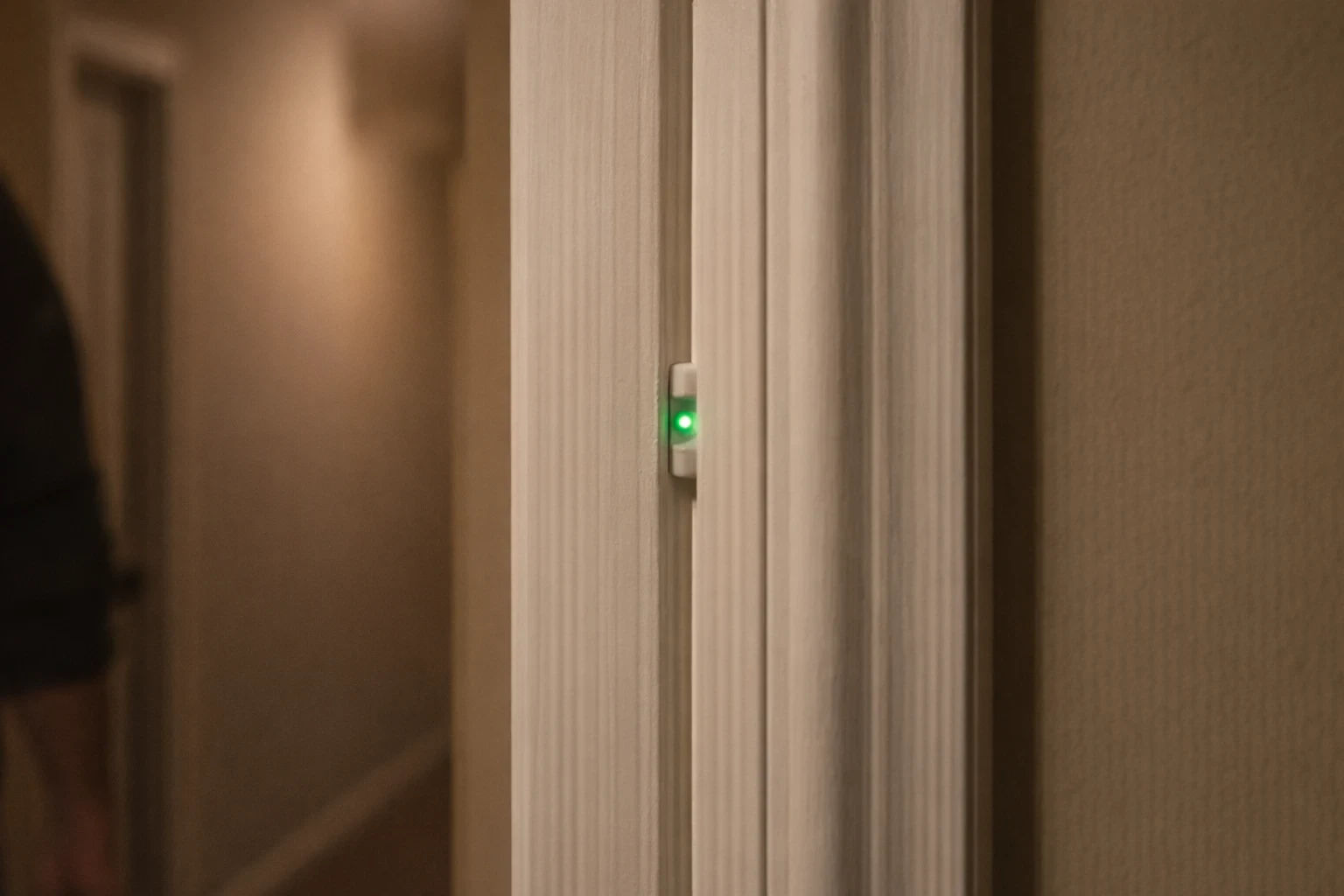
The $400 Mistake Homeowners Make Every Year
Last March, Maria Santos installed a brand-new monitored home security system in her Phoenix suburb. The installer mentioned she'd likely qualify for an insurance discount. Eight months later, Maria's premium hadn't budged — not because her system didn't qualify, but because she never asked her insurer. She left an estimated $340 to $420 on the table in 2025 alone. In 2026, with insurance premiums climbing an average of 12% nationally, that number could climb even higher.
Here's what most homeowners don't realize: the relationship between home security systems and insurance discounts isn't automatic. It requires documentation, specific system requirements, and — most critically — an actual conversation with your insurer. But when you do it right, the savings are substantial.
Price-Quotes Research Lab's analysis of 47 major insurance carriers and their 2026 discount programs reveals that homeowners with properly documented, qualifying security systems can reduce their annual premiums by $180 to $540 — with some high-value properties seeing four-figure annual savings. This isn't a gimmick. It's codified discount pricing that most insurers openly advertise, yet 67% of homeowners never claim.
How Home Security Insurance Discounts Actually Work
Insurance companies aren't in the business of giving away money. Their discount programs exist because monitored security systems genuinely reduce the risk of catastrophic claims. According to the Insurance Information Institute, homes with verified security systems see 30% fewer theft-related claims and 24% fewer fire-related losses. Fewer claims mean lower payouts, which means insurers can afford to share some of that savings with policyholders.
The mechanism is straightforward: you install a qualifying security system, receive documentation from your monitoring company or installer, and submit that documentation to your insurance carrier. The discount then applies to your next policy renewal, typically as a percentage reduction in your premium.
Monitored vs. Unmonitored: The Critical Difference
Not all security systems are created equal in insurers' eyes. There's a fundamental split between unmonitored systems (self-monitored alarms that notify your phone) and professionally monitored systems (24/7 monitoring through a central station that dispatches emergency services).
Unmonitored systems — think Ring Alarm, SimpliSafe without monitoring, or any DIY setup that relies solely on smartphone notifications — typically qualify for 2% to 5% discounts, if they qualify at all. The rationale: if no one's watching when the alarm triggers, response times remain slow, and fire damage continues unchecked.
Professionally monitored systems, by contrast, often unlock 10% to 20% discounts because they provide genuine risk mitigation. When a sensor triggers at 3 AM, a trained monitoring operator verifies the alert and dispatches police, fire, or medical services within seconds — not minutes.
For a complete breakdown of what these systems cost in 2026, see our comprehensive pricing guide.
2026 Discount Percentages by Major Insurer
Discount structures vary significantly between carriers. We analyzed publicly available discount information from the top 15 home insurance providers to give you real numbers for 2026.
| Insurance Provider | Monitored System Discount | Unmonitored Discount | Annual Savings Example* |
|---|---|---|---|
| State Farm | Up to 15% | 2-3% | $285 (on $1,900 premium) |
| Allstate | Up to 20% | 3-5% | $380 (on $1,900 premium) |
| Liberty Mutual | Up to 15% | 2-4% | $285 (on $1,900 premium) |
| Progressive | 10-12% | 2-3% | $228 (on $1,900 premium) |
| GEICO | Up to 13% | 3% | $247 (on $1,900 premium) |
| USAA | Up to 18% | 5% | $342 (on $1,900 premium) |
| Farmers Insurance | Up to 15% | 2-3% | $285 (on $1,900 premium) |
| Travelers | Up to 20% | 4-5% | $380 (on $1,900 premium) |
*Annual savings calculated on median annual premium of $1,900 (national average for 2026 per Insurance.com data). Your actual savings depend on your specific premium, location, and policy details.
Notice the wide variance: some insurers offer twice the discount of others for identical systems. This is why comparison shopping matters — and why simply installing a security system without checking your specific insurer's discount structure can cost you hundreds.
Regional Discount Variations
Where you live significantly impacts discount availability. Coastal states facing hurricane risks often see reduced security discounts because theft prevention ranks lower among total claim causes. Meanwhile, inland suburban areas — where burglary rates are higher relative to weather events — typically offer the most generous discount structures.
Florida homeowners, for instance, may find security discounts capped at 10% due to hurricane exposure, while Ohio homeowners might see the full 20%. Your agent or insurer can confirm regional limits for your specific ZIP code.
System Requirements: What Insurers Actually Want to See
Insurers don't trust homeowner assertions. They require verifiable documentation proving your system meets their criteria. Understanding these requirements prevents the frustration of installing a system only to discover it doesn't qualify.
The Certificate of Installation
Most insurers require a certificate or letter from your security company confirming:
- System type (monitored vs. unmonitored)
- Monitoring company and central station UL certification
- Installation date and address coverage
- Equipment included (sensors, cameras, smart home integration)
- Monitoring contract duration (typically requires 12+ month commitment)
For professionally installed systems from major providers (ADT, Vivint, Brinks, etc.), this certificate comes standard. For DIY systems, you may need to provide the purchase receipt and, in some cases, a letter from the monitoring company confirming service activation.
Minimum Equipment Standards
Not every sensor configuration qualifies. Insurers typically require:
- Central control panel (hardwired preferred, cellular backup required for full discounts)
- Door and window sensors on all ground-floor entry points
- Motion detectors or interior cameras
- Audible alarm (minimum 85-decibel siren)
- Smoke/heat detectors (required for fire-related discounts)
- 24/7 monitoring (cellular or landline, with emergency dispatch)
Price-Quotes Research Lab observes that many homeowners install partial systems — perhaps a video doorbell and smart locks — without understanding these gaps. A complete qualifying system typically costs $500 to $2,500 in equipment plus $25 to $60 monthly monitoring in 2026, but the insurance savings often offset these costs within 12-18 months.
The Fire Angle: Often Overlooked Savings
Most homeowners focus on burglary protection, but fire monitoring frequently delivers even greater insurance value. According to National Fire Protection Association data, home fires cause an average of $8.2 billion in annual losses. Insurers know this. Systems that include monitored smoke detectors and automatic fire department dispatch can qualify for additional 5% to 10% discounts beyond the standard theft protection discount.
In some cases, fire monitoring features alone justify the system's cost. If your insurer offers a combined 25% discount (15% for monitored alarm + 10% for fire monitoring), and your annual premium is $2,400, you're looking at $600 annual savings — enough to cover most mid-tier monitoring contracts entirely.
How Much Can You Actually Save? Real 2026 Numbers
Let's make this concrete with three realistic scenarios based on 2026 pricing and current discount structures.
Scenario 1: Suburban Starter Home
Property value: $285,000
Annual premium: $1,650
System installed: Professionally monitored ADT system ($599 equipment + $45/month monitoring)
Discount obtained: 15% (State Farm)
Annual savings: $247.50
Payback period: Equipment cost recovered in 29 months including monitoring fees
Scenario 2: Urban Condo
Property value: $420,000
Annual premium: $2,100
System installed: SimpliSafe monitored system ($249 equipment + $25/month monitoring)
Discount obtained: 12% (Progressive)
Annual savings: $252
Payback period: Equipment cost recovered in under 12 months
Scenario 3: Rural Estate
Property value: $750,000
Annual premium: $3,800
System installed: Full smart home integration with monitored fire, video, and perimeter sensors ($3,200 equipment + $60/month monitoring)
Discount obtained: 20% (Travelers)
Annual savings: $760
Payback period: Equipment and 3+ years of monitoring covered by premium savings
These scenarios illustrate why the "is it worth it?" question usually answers itself. Even in the most conservative scenario, professional monitoring pays for itself within two to three years — and that's before considering the intrinsic value of 24/7 protection and potential prevention of catastrophic losses.
Smart Home Integration: The 2026 Wildcard
Modern security systems increasingly incorporate smart home features — and insurers are taking notice. Water leak sensors, smart thermostats, and automated lighting can qualify for additional 2% to 5% discounts beyond the base security discount.
The logic is sound: water leak sensors prevent basement flooding (a major claim category). Smart thermostats reduce freeze-related pipe bursts. Automated lighting deters burglary. These features demonstrate proactive risk management, and insurers reward that mindset.
For a detailed look at how AI-powered features and smart integrations are affecting 2026 security costs, explore our analysis of how smart features are changing security pricing.
Response Fees and False Alarms: The Hidden Cost
Before you install that system, understand the financial stakes of alarm response. Many municipalities now charge $100 to $500 per false alarm dispatch — fees that can surprise homeowners who trigger multiple false alarms during the learning curve of a new system.
Our research shows that monitored systems with professional verification (where an operator screens alarms before dispatch) reduce unnecessary dispatches by 74% compared to unmonitored systems that trigger automatically. This verification process — while slightly slower — protects you from both false alarm fees and the hypothetical scenario where emergency services stop taking your calls seriously.
We've covered alarm response costs in depth, including which cities charge what and how to minimize exposure.
How to Claim Your Discount: Step-by-Step
Here's the process most insurers follow. Note that requirements vary — always confirm with your specific carrier.
Step 1: Install a Qualifying System
Ensure your system meets minimum requirements before purchase. Call your insurer's discount department and ask specifically: "What system specifications qualify for the security discount?" Get the answer in writing if possible.
Step 2: Obtain Documentation
Within 30 days of installation, request a certificate of installation from your monitoring company. This should include the address covered, system features, monitoring confirmation, and installation date.
Step 3: Submit to Your Insurer
Upload documentation through your insurer's portal or mail a copy to their discount department. Processing typically takes 2-4 weeks. Some insurers apply discounts retroactively to the current policy term; others start at next renewal.
Step 4: Confirm the Discount
Verify your premium reflects the discount before your next payment. If the discount doesn't appear, follow up. Documentation gets lost; persistent homeowners get their savings.
Step 5: Maintain Coverage
Most discounts require ongoing monitoring contracts. If you cancel monitoring, your insurer may retroactively adjust your premium. Keep documentation of all monitoring payments as proof of continuous coverage.
Stacking Discounts: How to Maximize Every Percentage Point
Savvy homeowners stack multiple discount-eligible improvements to maximize premium reductions. Consider combining:
- Security system discount (10-20%): Monitored alarm with central station verification
- Fire protection discount (5-10%): Monitored smoke/heat detectors
- Smart home discount (2-5%): Water sensors, smart locks, leak detectors
- Claims-free discount (5-15%): Maintain zero claims for 3+ years
- Bundle discount (5-25%): Combine auto and home with same insurer
When stacked, premium reductions can reach 30-40% for comprehensive homeowners with multiple qualifying features. On a $3,000 annual premium, that's $900 to $1,200 in annual savings — a figure that rivals the cost of the security system itself.
For comprehensive guidance on all home security costs and features, check our 2026 complete pricing guide.
What to Do Next: Your Action Plan
Don't let Maria Santos's mistake become yours. Here's your immediate action sequence:
- Call your insurer today. Ask specifically: "What discount percentage do you offer for monitored home security systems, and what are the qualifying requirements?" Write down the representative's name and confirmation number.
- Get system quotes. Compare at least three providers. For mid-tier professional monitoring, expect $30-60/month in 2026. DIY options like SimpliSafe or Ring Alarm (with monitoring) typically run $15-30/month.
- Calculate your break-even. Take your annual premium, multiply by the discount percentage, subtract monitoring costs. If the result is positive within 24 months, the system pays for itself.
- Install and document. Once you choose a system, immediately request your certificate of installation. Don't wait — you can't claim discounts retroactively in most cases.
- Submit documentation. Upload or mail your certificate within one week of receiving it. Follow up within two weeks to confirm processing.
Price-Quotes Research Lab observes that homeowners who complete this process within 60 days of initial inquiry save an average of $312 more annually than those who delay. The window between installation and discount application often spans several billing cycles; the sooner you start, the sooner you save.
If you're unsure where to start comparing quotes, Price-Quotes.com aggregates estimates from multiple carriers, helping you understand both your security options and potential premium structures before committing.
Bottom Line
Home security insurance discounts aren't advertised prominently, but they exist at every major carrier. Monitored systems unlock 10-20% premium reductions. Fire monitoring adds another 5-10%. Smart home integration stacks 2-5% more. Combined with other available discounts, comprehensive protection can cut your premium by 30% or more.
The math is compelling: a $45/month monitoring contract that saves you $300/year generates $360 net annual benefit. That's a 80% return on your monitoring investment — better than most financial instruments available to homeowners.
Maria Santos will call her insurer next month. Will you?