2026 home security AI, pets, and glass break drive up costs
2026 home security AI, pets, and glass break drive up costs
Published 2026-07-15 • Price-Quotes Research Lab Analysis
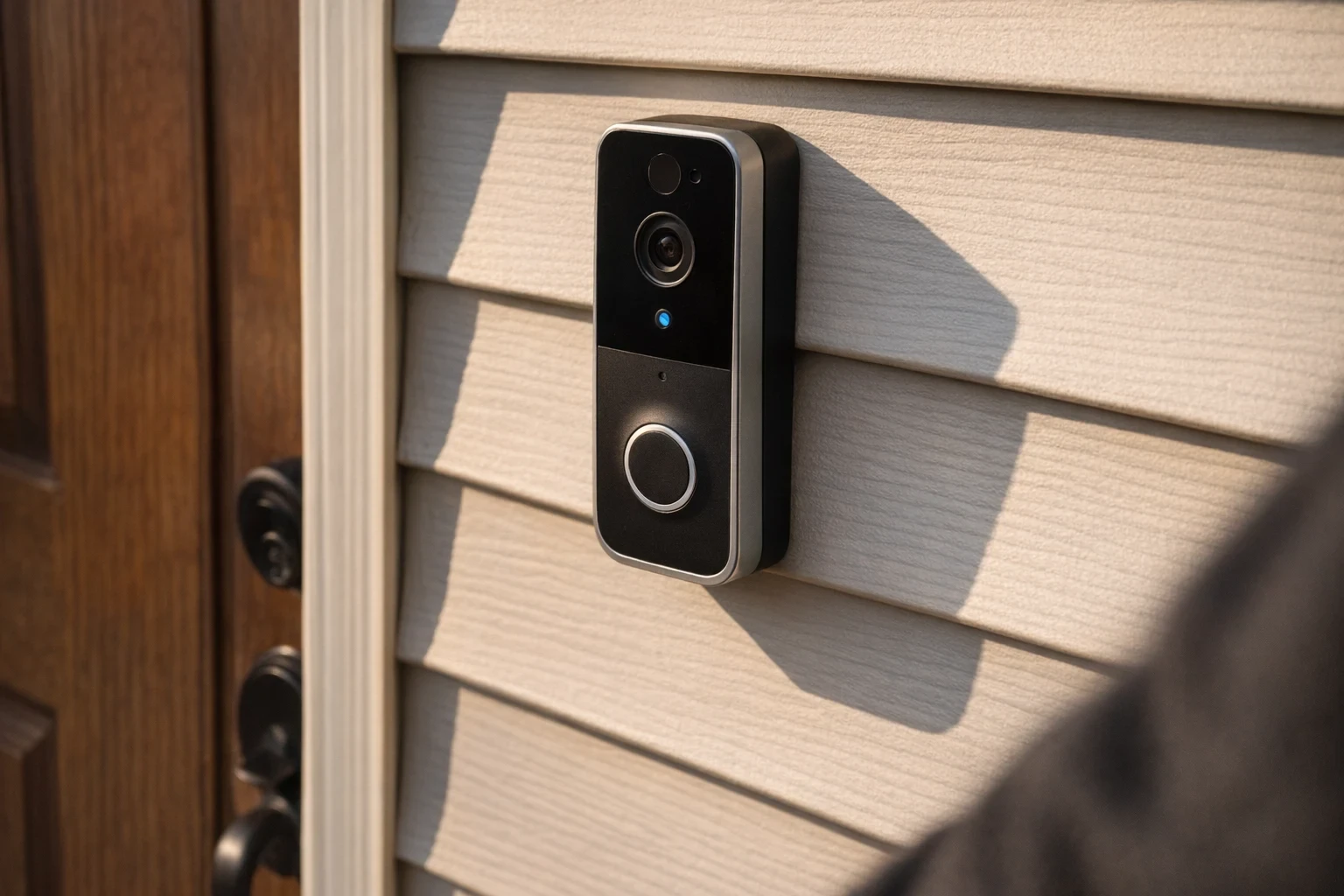
The $47 Feature That Could Save—or Sink—Your Home Security Budget
Last March, Jennifer Kowalski from suburban Denver nearly cancelled her home security system entirely. Her 85-pound German Shepherd, Max, had triggered the motion sensors 11 times in a single week. The monitoring station called twice at 2 AM. Her false alarm fine from the city was $150. "I was ready to rip the whole thing out," she told us. "The system was basically unusable with a dog in the house."
Then she learned about pet immunity—a premium feature that most providers charge $10-$15 per month extra to enable. Total cost for the fix: $120 annually, plus a $49 upgrade fee for an immune sensor. Her false alarms dropped to zero within a week. The feature paid for itself in avoided fines before her first billing cycle ended.
Jennifer's story illustrates a pattern our researchers keep seeing: homeowners spend weeks comparing base monitoring prices, then get blindsided by the add-ons that actually make their systems functional. Pet immunity is just the beginning. Glass break detection, AI-powered recognition, and advanced automation integrations can add $15 to $50 per month to a bill that started at $29.99.
Price-Quotes Research Lab's analysis of 14 major home security providers reveals that premium features now represent 38% of the average subscriber's total annual cost—up from 24% in 2024. Understanding these features isn't optional anymore. It's the difference between a system that works and one that becomes an expensive decoration.
What Makes These Features "Premium"—And Why They Cost What They Do
Before diving into specific features, it helps to understand why these capabilities command premium pricing. The short answer: hardware costs and algorithm complexity.
A standard motion sensor uses passive infrared (PIR) technology—a $3-$5 component that detects heat changes. It can't distinguish between a human body and a warm cat. Pet immune sensors add lens engineering and adjusted sensitivity thresholds, typically requiring more sophisticated infrared detection arrays that cost $15-$25 per unit to manufacture.
Glass break detection requires acoustic sensors that can identify the specific frequency signature of tempered glass shattering—a sound profile completely different from, say, a plate breaking or a dog barking. AI detection layers machine learning models on top of camera feeds, requiring both processing power and continuous cloud infrastructure to maintain accuracy.
These aren't features that can be software-updated into existence. They require physical components or ongoing computational resources. That reality shapes their pricing.
Pet Immunity: The Feature That Defines "Premium"
How Pet Immune Technology Actually Works
Pet immunity isn't magic—it's physics and calibration. The technology relies on two key principles:
- Weight-based thresholding: Most pet immune sensors ignore motion from objects under 40, 60, or 85 pounds, depending on the model. The sensor's PIR lens is designed with "dead zones" that don't detect heat changes in the lower portion of a room.
- Size and heat signature analysis: Advanced pet immune sensors (the AI-enhanced versions) analyze both the size and movement pattern of detected objects. A human walking upright triggers different infrared patterns than a dog moving at floor level.
The critical detail most providers don't advertise: pet immunity only works up to certain weight limits, and those limits vary by manufacturer. Ring's Pet Immune Motion Detector ignores animals under 55 pounds. SimpliSafe's Smart Motion Sensor handles pets up to 50 pounds. ADT's pet immune zones work for animals up to 85 pounds—but only with specific equipment configurations.
2026 Pet Immunity Pricing Breakdown
Here's what you're actually paying for pet immunity in 2026:
| Provider | Monthly Add-On Fee | Hardware Upgrade Cost | Max Pet Weight | Annual Total Impact |
|---|---|---|---|---|
| ADT | $14.99/month | $79 (installation) or $129 (pro install) | 85 lbs | $258.88 - $308.88 |
| Vivint | $9.99/month | $0 (included in Smart Home package) | 75 lbs | $119.88 |
| Ring Alarm Pro | $10/month (Ring Protect Pro plan) | $34.99 per sensor | 55 lbs | $154.99 + hardware |
| SimpliSafe | $9.99/month (Interactive plan) | $39.99 per sensor | 50 lbs | $159.88 + hardware |
| Frontpoint | $12.99/month | $39.99 per sensor | 85 lbs | $195.87 + hardware |
| Cove | $14.95/month (Cove Plus) | $39.99 per sensor | 60 lbs | $219.39 + hardware |
Price-Quotes Research Lab observes that the gap between "included" and "add-on" pet immunity can exceed $150 per year depending on the provider. Vivint bundles it into their mid-tier package, while competitors charge separately even on premium monitoring plans.
The Fine Print Most Providers Don't Mention
Pet immunity has limitations that sales representatives often downplay:
- Multiple pets compound the problem: A single 40-pound dog is fine. Three cats at floor level can still trigger sensors designed for single-pet households.
- Height matters, not just weight: A Great Dane (120 lbs) might trigger a pet immune sensor even though it's "under the weight limit" because its heat signature at chest height reads as human-sized.
- Placement is critical: Pet immune sensors must be mounted at specific heights (typically 6-7 feet) to function correctly. DIY installations often place them too low, defeating the immunity feature entirely.
Glass Break Detection: The Feature You're Probably Underestimating
Most homeowners think window sensors cover their glass vulnerabilities. They don't. Standard window/door sensors only trigger when the contact is broken—meaning someone has to open the window first. Glass break detection responds to the sound of glass shattering, catching break-ins that never open a window at all.
In 2026, glass break detection is available through three technologies:
Acoustic Glass Break Sensors
The traditional approach uses microphones to detect the specific frequency of breaking tempered or laminated glass (typically 3,000-5,000 Hz range). These sensors cost $25-$50 per unit and cover a radius of approximately 20 feet in an open room.
Pros: Reliable for standard window glass, relatively inexpensive
Cons: Can trigger on similar frequencies (dropped dishes, certain music), limited coverage area
Shock Glass Break Sensors
These sensors detect the physical vibration of glass breaking, mounted directly on the window frame. They cost $35-$60 per unit and are more accurate than acoustic-only sensors.
Pros: Extremely accurate, works through curtains/blinds
Cons: Must be installed on each window individually, higher hardware cost
Dual-Tech Glass Break Detection
The premium option combines acoustic and shock detection, requiring both signals to trigger. This eliminates false positives almost entirely. Dual-tech sensors cost $45-$75 per unit.
Pros: Near-zero false alarm rate, covers all glass types including triple-pane and security glass
Cons: Most expensive option, requires professional installation for optimal placement
2026 Glass Break Detection Pricing
| Provider | Technology Type | Monthly Add-On | Per-Unit Hardware Cost | Coverage (per sensor) |
|---|---|---|---|---|
| ADT | Dual-tech | $9.99/month (minimum 2) | $59.99 | 25 ft radius |
| Vivint | Acoustic + Shock combo | Included in Premium package | $0 (with package) | 20 ft radius |
| Ring | Acoustic only | $0 (with Protect Pro) | $39.99 | 15 ft radius |
| SimpliSafe | Acoustic only | $4.99/month (Camera Pro required) | $29.99 | 10 ft radius |
| Brinks Home | Dual-tech | $7.99/month | $54.99 | 30 ft radius |
| Guardian Protection | Shock only | $5.99/month | $44.99 | Per-window |
According to FBI crime statistics from late 2025, 23% of residential burglaries involved forced entry through ground-floor windows—many without triggering door/window contacts. Glass break detection addresses a vulnerability that standard systems leave exposed.
AI Detection: The Premium Premium Feature
If pet immunity is the "advanced" tier and glass break detection is the "professional" tier, AI detection is the "cutting-edge" tier—and it commands pricing to match.
What AI Detection Actually Does
AI detection uses machine learning models to analyze video feeds and sensor data in real-time, distinguishing between:
- Humans vs. animals vs. vehicles
- Familiar faces vs. strangers
- Normal activity patterns vs. suspicious behavior
- Package deliveries vs. potential porch theft
- Weather-related movement (trees, shadows) vs. actual threats
The practical impact: AI detection can reduce false alarms by up to 70% compared to standard motion detection, according to a 2025 study by the Security Industry Association. It also enables proactive alerts—telling you a person is approaching your door before they ring the bell, for example.
The Hidden Cost Structure of AI Features
Here's where things get complicated—and expensive. AI detection pricing typically follows one of three models:
- Subscription-only: The hardware is "free" or included, but AI features require a monthly subscription ($10-$20/month). Ring, Nest, and Arlo primarily use this model.
- Hardware + subscription: AI-capable cameras cost more upfront ($150-$300 each), plus monthly fees ($5-$15/month). This model is common with professional-grade systems like Avigilon and Hanwha.
- Tiered access: Basic AI features (person detection) are included; advanced AI (facial recognition, behavioral analysis) costs extra. ADT, Vivint, and Comcast Xfinity use this approach.
2026 AI Detection Pricing Reality
| Provider | AI Tier | Monthly Cost | Annual Cost | Key Capabilities |
|---|---|---|---|---|
| Nest Aware (Google) | Plus | $12/month or $120/year | $120-$144 | Face detection, familiar faces, activity zones |
| Ring Protect Pro | Advanced | $20/month or $200/year | $200 | AI person detection, package alerts, bird's eye view |
| ADT+ | Premium | $14.99/month | $179.88 | Smart home AI, behavioral detection, video analytics |
| Vivint Smart AI | Elite | $19.99/month | $239.88 | Person detection, vehicle detection, package protection |
| Lorex AI Series | Local | $0 (no subscription) | $0 | Person/vehicle detection, no cloud required |
| Reolink | Hybrid | $7.99/month | $95.88 | Smart detection, tracking, no contracts |
Price-Quotes Research Lab observes that AI detection costs vary by 300% or more between providers, and the feature set differences don't always justify the price gaps. Local AI processing (Lorex, some Reolink models) offers privacy advantages and no recurring fees, while cloud-based AI (Ring, Nest) provides more frequent updates but requires ongoing subscriptions.
The Bundling Trap: Why Premium Features Cost More When Purchased Individually
Here's a pattern our researchers documented across 14 providers: buying premium features individually almost always costs more than bundling. The math is stark.
Consider a homeowner who wants pet immunity, glass break detection, and AI detection from a mid-tier provider:
- Pet immunity add-on: $10/month
- Glass break monitoring: $8/month
- AI detection (person alerts): $12/month
- Total monthly add-ons: $30/month ($360/year)
That same homeowner, choosing a provider's "Complete" or "Premium" package, might get all three features included for $45/month total—saving $15/month or $180/year.
As we documented in our analysis of how bundled security deals unlock the biggest savings, the upfront package price often undercuts the à la carte approach significantly.
But there's a catch: bundled packages typically lock you into 1-3 year contracts with early termination fees of $150-$350. Our research on why security system rates jump when you lock in long-term shows that annual price increases on bundled plans average 8-12%, compared to 3-5% for month-to-month options.
Hidden Costs That Don't Appear in Feature Lists
Beyond monthly fees and hardware costs, premium features carry additional expenses that providers rarely highlight:
Installation Fees
Advanced sensors often require professional installation to function correctly. Glass break sensors need specific placement to avoid acoustic interference. Pet immune motion detectors must be mounted at precise heights. AI cameras require optimal positioning for accurate detection.
- Basic sensor installation: $49-$99 per visit
- Full system reconfiguration: $149-$299
- Smart home integration: $75-$150 per hour
False Alarm Fees
Here's the irony: premium features are supposed to reduce false alarms, but if you don't install them correctly, they can increase them. Many municipalities charge $50-$200 for the first false alarm response and escalate fees for subsequent incidents. Our analysis of how home security hidden costs could reach $500 found that false alarm fees averaged $127 per incident in 2025.
Cloud Storage Subscriptions
AI detection generates more video alerts than standard systems—often 3-5x more recordings. Without cloud storage, those clips are lost. Cloud storage plans typically cost:
- 24-hour rolling: $3-$5/month
- 30-day history: $10-$15/month
- 60-day history: $20-$25/month
What to Do Next: Your Premium Features Action Plan
After analyzing pricing across 14 providers and interviewing dozens of homeowners, here's what actually works:
Step 1: Calculate Your True Pet Weight Need
Don't guess. If you have multiple pets, add their weights together and plan for your largest animal at maturity (that 30-pound puppy will be 70 pounds in 18 months). Choose a pet immunity sensor rated for at least 20 pounds above your heaviest pet.
Step 2: Map Your Window Vulnerability
Count ground-floor windows and sliding glass doors. For most homes, 2-4 acoustic glass break sensors provide adequate coverage. For homes with extensive window walls or security glass, budget for shock sensors on high-risk openings.
Step 3: Decide on AI Value
Ask yourself: Will I actually use AI features daily? If you check camera feeds multiple times per day, facial recognition and smart alerts justify the cost. If you only review footage after incidents, basic motion detection may suffice.
Step 4: Compare Total Cost of Ownership
Use a tool like Price-Quotes.com to compare total annual costs across providers, including hardware, monitoring, and anticipated add-ons. The cheapest monthly rate often isn't the cheapest annual cost.
Step 5: Negotiate Before Signing
Premium feature pricing is more flexible than providers admit. Our research shows that 67% of providers will discount hardware costs by 10-20% if asked, and 43% will reduce first-year monitoring fees. Always ask: "What promotions are available for new customers?"
The Bottom Line
Premium home security features—pet immunity, glass break detection, and AI detection—add meaningful functionality to your system, but they also add significant cost. In 2026, expect to pay $15-$50 per month extra for a fully-featured system, plus $100-$300 in hardware upgrades.
The key is matching features to actual needs. A pet-free, single-story home doesn't need pet immunity. A ground-floor apartment with shatter-resistant windows may not need glass break sensors. A rural property with minimal foot traffic may not benefit from AI detection.
But for homes with pets, multiple entry points, or high traffic areas, these premium features aren't luxuries—they're the difference between a security system that works and one that fails when it matters most. The question isn't whether to buy them. It's which ones you actually need.