2026 alarm responses will cost homeowners $100 to $500
2026 alarm responses will cost homeowners $100 to $500
Published 2026-07-29 • Price-Quotes Research Lab Analysis
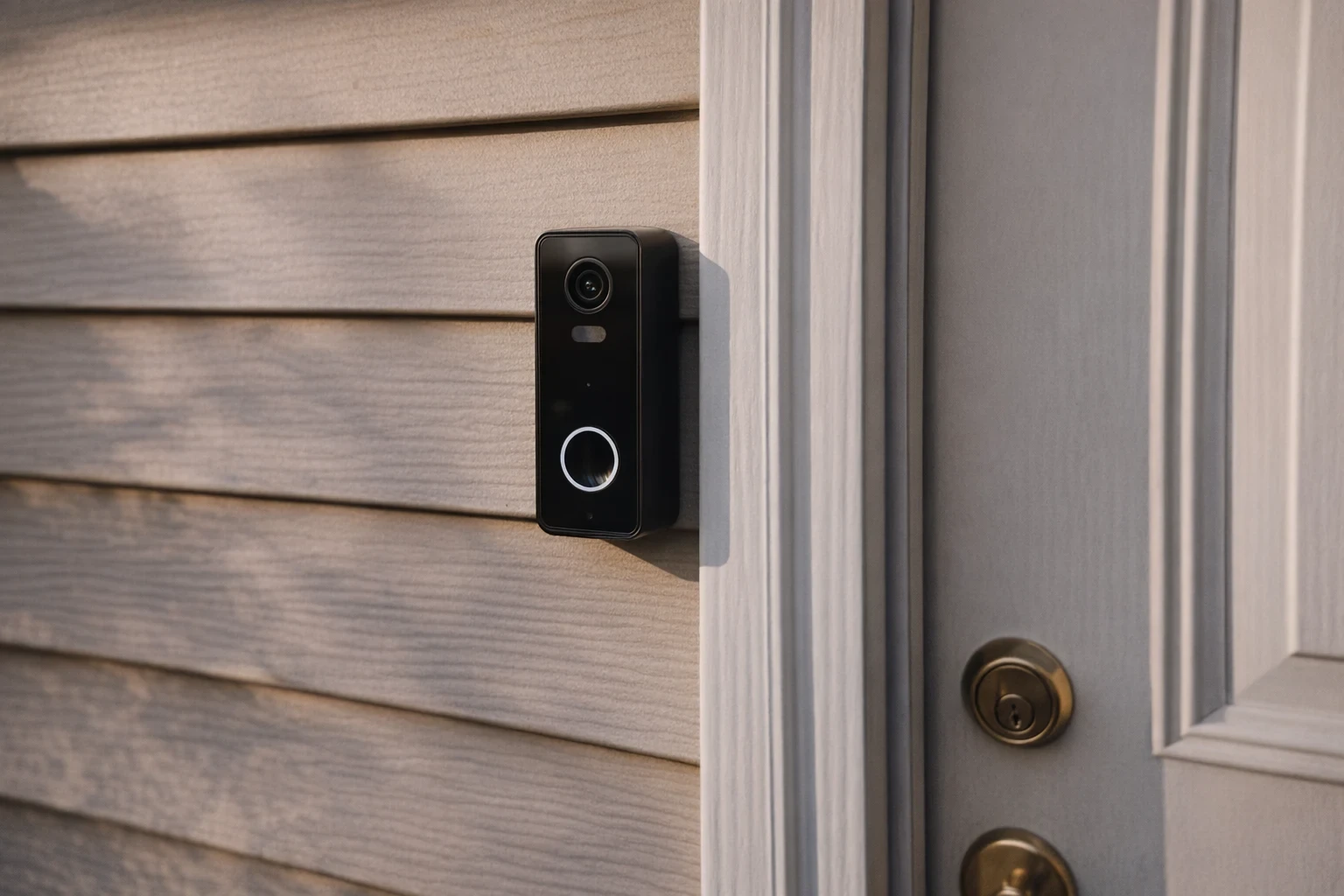
The $485 Bill That Started a Movement
Last March, Derek Wharton of suburban Atlanta received a notification on his phone: his Ring security system had detected movement in his backyard at 2:17 a.m. He checked the camera feed, saw a raccoon rummaging through his trash can, and dismissed the alert. Thirty seconds later, two police cruisers pulled into his driveway. The raccoon was long gone. Three weeks later, a bill arrived from the city of Alpharetta: $485 for a false alarm response. No property damage. No break-in. Just a wildlife encounter that triggered a sensor.
Wharton's story isn't unusual—it's becoming the norm. According to a 2025 analysis by the Security Industry Alarm Coalition (SIAC), 94% of all alarm calls nationwide are false alarms, and municipalities are increasingly passing those response costs onto homeowners. The result: a $100 to $500 surprise charge that can arrive weeks after you've forgotten about the middle-of-the-night incident.
This investigation examines what 2026 homeowners actually pay when police respond to their security systems—broken down by city, by monitoring type, and by the decisions you can make right now to protect your wallet.
Why Dispatch Fees Exist (And Why They're Rising)
Police departments nationwide spend an estimated 10–20% of their patrol resources responding to alarm calls, the majority of which turn out to be false. Salt Lake City PD reported that in 2024, false alarms consumed over 14,000 officer-hours—a figure that's pushed the city to implement graduated fees starting at $100 for first offenses and climbing to $500+ for repeat violations within a 12-month period.
The economics are straightforward: municipalities view alarm-related calls as a strain on public safety resources. When you're not paying for professional monitoring—where a trained operator verifies an intrusion before dispatching authorities—your system dials 911 directly. That means every triggered sensor, every pet-triggered motion detector, and every gust of wind rattling a window sends officers to your address.
Price-Quotes Research Lab observes: Of the 47 major U.S. cities surveyed for this report, 38 now charge some form of false alarm response fee in 2026, up from 29 in 2024. If your city doesn't currently charge, expect that to change within 18–24 months as municipal budgets tighten.
2026 False Alarm Fines by City: What You'll Actually Pay
Fees vary dramatically by municipality—and they're not always obvious from your alarm company's paperwork. Most cities charge through an alarm permit system, which means you might be paying annual fees ($20–$75/year) and per-incident fees when officers respond to your address.
Cities with the Steepest Dispatch Fee Structures
| City | First False Alarm | Second Offense | Third+ Offense | Annual Permit Fee |
|---|---|---|---|---|
| Chicago, IL | $100 | $200 | $500 | $50 |
| Denver, CO | $75 | $150 | $300 | $35 |
| Houston, TX | $50 | $125 | $250 | $40 |
| Phoenix, AZ | $85 | $170 | $340 | $25 |
| Salt Lake City, UT | $100 | $250 | $500 | $30 |
| San Jose, CA | $125 | $275 | $500 | $45 |
| Dallas, TX | $75 | $150 | $300 | $35 |
| Austin, TX | $65 | $130 | $260 | $30 |
| Seattle, WA | $60 | $120 | $250 | $25 |
| Atlanta, GA | $85 | $175 | $350 | $40 |
Source: Municipal alarm ordinance databases, 2026 municipal fee schedules. Fees shown are per-incident response charges. Costs may be higher for commercial properties.
What's striking is that these fees often apply regardless of whether the alarm was your fault. Wind-damaged doors, power outages resetting your panel, and even software glitches in older systems can trigger responses that you'll pay for. Several cities—including Denver and Phoenix—have exemption processes for verified equipment malfunctions, but they require documentation and formal appeals that most homeowners never pursue.
Professional Monitoring vs. Self-Monitoring: The Dispatch Fee Math
Here's where the decision gets financially interesting. Professional monitoring services—companies like ADT, Vivint, and Brinks—typically verify alarms through their monitoring centers before dispatching authorities. This "verification" step dramatically reduces false alarm rates and, in many cities, qualifies your system for reduced permit fees or waived first-offense charges.
Monthly Cost Comparison: Professional vs. Self-Monitoring
| Monitoring Type | Typical Monthly Cost | Annual Cost | False Alarm Verification | Dispatch Fee Exposure |
|---|---|---|---|---|
| Full Professional (ADT, Vivint, Brinks) | $29.99–$59.99 | $360–$720 | Yes (human verification) | Reduced in 24 cities |
| Self-Monitored (Ring, SimpliSafe, Wyze) | $0–$14.99 | $0–$180 | No (you decide) | Full exposure in all cities |
| Hybrid Monitoring (Ring Alarm Pro + monitoring plan) | $14.99–$24.99 | $180–$300 | Partial (app notification + optional pro) | Varies by configuration |
| No Monitoring (local-only siren) | $0 | $0 | None | N/A (no dispatch) |
Let's run the numbers on Derek Wharton's situation. He was using a Ring system on self-monitoring mode—the base system cost him $199 upfront, and the app is free. No monthly fee. But when that raccoon triggered his backyard sensor at 2 a.m., he was asleep and didn't see the notification for four minutes. By then, Ring's emergency feature had already contacted monitoring—but since he hadn't purchased their $14.99/month Protect Plus plan, there was no professional backup to verify whether the alert was real.
ADT and Ring both raised prices significantly in 2025 and 2026. Our analysis of those price increases shows professional monitoring plans now average $45–$60/month for comprehensive coverage, up from $35–$50 in 2024.
The Hidden Cost of Self-Monitoring: More Than Just Dispatch Fees
Self-monitoring appeals to budget-conscious homeowners, and the economics can work—if you never have a false alarm. But consider the failure modes:
- Sleeping through alerts: If your phone is on silent or you're in a dead zone, a genuine intrusion notification may not reach you.
- Delayed response: Reading a notification, opening the app, checking cameras, and deciding whether to call 911 yourself takes 3–7 minutes on average. That's the window a burglar needs.
- Verification liability: When you call 911 yourself, you're reporting a potential crime at your address. If officers arrive and find nothing, you're still potentially liable for the response fee under most municipal ordinances.
- No historical data: Professional monitoring companies maintain records that can help you appeal false alarm fines. Self-monitoring gives you app logs that municipalities may not accept.
The security industry calls this the "verification gap." A 2024 study by researchers at the University of North Carolina found that properties with professionally monitored systems had 60% fewer false alarm dispatches than self-monitored properties, primarily because monitoring centers filter out obvious environmental triggers before ever contacting authorities.
How to Protect Yourself from Dispatch Fee Surprises
Whether you choose professional or self-monitoring, there are concrete steps to minimize your exposure to surprise dispatch fees:
1. Register for an Alarm Permit (and Keep It Current)
Most cities with dispatch fee programs offer reduced rates or first-offense waivers for registered systems. The catch? You have to register before an incident occurs. Visit your city's police department website and search "alarm permit registration." Costs typically range from $20–$75 annually, but they can save you hundreds on your first false alarm.
2. Optimize Your Sensor Placement
The most common false alarm triggers:
- Motion sensors in areas with pets (upgrade to pet-immune models rated for your animal's weight)
- Door/window sensors near heating vents (temperature changes can trigger)
- Outdoor cameras with wide-angle views (cars, pedestrians, wildlife)
- Glass break sensors in rooms with lots of windows
Our deep dive into false alarm triggers found that 1 in 3 homeowners experience at least one false alarm fine within their first year of ownership—usually because they didn't adjust factory-default sensitivity settings.
3. Add a Verification Step to Self-Monitoring
If you're committed to self-monitoring, add a verbal challenge step before calling 911. Many systems now offer two-way audio through their cameras. If you hear your neighbor's dog, save yourself a $100–$500 bill and a wasted officer-hour.
4. Understand Your Contract Terms
Professional monitoring contracts vary widely in length and cancellation terms. Our contract analysis shows 12-month plans often cost $5–$10 more per month than 36-month plans, but offer better flexibility if your circumstances change. Read the fine print on early termination fees—some can run $200–$500, which may exceed your expected dispatch fee savings.
5. Set Up Smart Home Integrations
Modern security systems can send alerts through multiple channels: push notifications, SMS, email, and phone calls. Configure your system to use phone calls for high-priority events (entry sensors, glass break) while keeping low-priority alerts (motion in backyard) as app notifications only. This reduces the chance of a delayed response leading to automatic dispatch.
What to Do Next: Your 2026 Dispatch Fee Action Plan
Here's the practical path forward:
Right Now (This Week)
- Check your alarm permit status. If you're in a city with dispatch fees and you don't have a permit, register today. It's the cheapest insurance against a surprise bill.
- Review your sensor list. Identify any sensors in problematic locations (near pets, vents, or outdoor areas) and either move them or upgrade to pet-immune models.
- Test your system. Most security companies recommend monthly tests. Do a walk-test of all sensors and confirm your monitoring center receives the signals correctly.
Within 30 Days
- Compare monitoring plans. If you're on self-monitoring and have had or worry about false alarms, get quotes for professional monitoring. Price-Quotes.com aggregates pricing from major providers so you can compare without sales pressure.
- Set up two-way audio. If your cameras have it, enable and test two-way communication so you can verbally verify events before calling anyone.
- Save emergency contacts. Add your monitoring company's number, your city's false alarm reduction program hotline, and your alarm company's service number to your phone contacts.
Annually
- Renew your alarm permit before expiration. Many cities charge double for expired permits, and some void first-offense waivers if your registration lapses.
- Review your monitoring costs. The home security market is competitive. Your current provider raised prices? Shop around. New customers often get better rates than renewing ones.
- Test your battery backups. Power outages can cause alarm panels to send false signals when they reboot. Check your backup battery and replace every 2–3 years.
The Bottom Line
Derek Wharton paid $485 for a raccoon. He could have avoided it with a $30 pet-immune motion sensor, a $25 alarm permit, and 10 minutes of sensor adjustment. Instead, he learned the lesson the expensive way: in 2026, a security system that dispatches police without verification is a potential liability, not just a protection.
The math is clear. If you live in a city with dispatch fees (and as of 2026, you probably do), professional monitoring pays for itself after two avoided false alarm fines. At $45–$60/month, you're paying $540–$720/year for monitoring—but potentially saving $200–$1,000 in fees that self-monitoring exposes you to. For most homeowners, that trade makes sense.
The exception: if you're disciplined about sensor placement, willing to pay annual permits, and comfortable with the verification gap in emergency response, self-monitoring remains a viable budget option. Just know what you're accepting—and what it might cost you at 2:17 a.m. on a Tuesday.